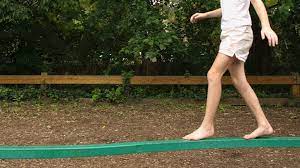
Physiotherapy
Physiotherapy is the treatment of injury, disease and disorders through physical methods — such as exercise, massage, manipulation and other treatments — over medication and surgery.
physical therapist provide service that help restore function improve mobility relieve pain and prevent or limit permanent disabilites of patients suffering from injuries or disease
Many people may believe that physiotherapists mainly work with back and sports-related injuries, but that's not always the case. Physiotherapists are highly trained health professionals who provide treatment for people suffering from physical problems arising from injury, disease, illness and ageing.
Treatment often includes exercises for patients who are immobilized and lack flexibility strength or endurance also used electrical stimulation hot packs or cold compresses and ultrasound to relieve pain and swelling

A physiotherapist's purpose is to improve a person's quality of life by using a variety of treatments to alleviate pain and restore function or, in the case of permanent injury or disease, to lessen the effects of any dysfunction.
A physiotherapist may have to assess the physical condition of a patient to diagnose problems and implement a treatment plan, or they could also be re-training patients to walk, or helping others to cope with crutches, walking frames, or wheelchairs.
Education is also an essential role in physiotherapy. Physiotherapists spend much time educating patients, their families, and the community to prevent injuries and to help people lead healthy lifestyles.
A physiotherapist may also plan and implement community fitness programmes.
During their career, physiotherapists treat all manner of people including children with cerebral palsy, premature babies, pregnant women, people undergoing rehabilitation, athletes, the elderly (to try and get them fitter), and those needing help following heart disease, strokes, or major surgery.
Benefits Of Physiotherapy
Physical therapy therapy for the preservation, enchancement or restoration of movement and physical function impaired or threatened by disability, injury or disease that utilizes therapeutic exercises, physical modalities.
- Pain Free Movements
- Stretching and Flexibility
- Improve Posture
Pain is associated with the functional disability. Physiotherapists main concern is to reduce pain and help to identify, diagnose and treat movement problem, resulting in pain free movement.
Flexibility is the functional capacity of the joints to move through a full range. Flexibility is specific to each joint of the body. Flexibility is needed to perform activities of daily living. Inactivity can cause tightness in muscles. Physiotherapist works to improve and regulate flexibility and prevent work related pain.
A Physiotherapist can help to treat overall posture problem and teach you the proper posture. Ergonomie advise for work place related issues.
Types of physiotherapy
Physiotherapy can be an effective treatment for a plethora of conditions, and the following treatments can help lessen the recovery time after a variety of surgeries.
Physiotherapists can specialise in several different areas, including sports medicine, children's health (paediatrics), and women's health, and within these parameters, there are three different areas of practice. These are:
Musculoskeletal
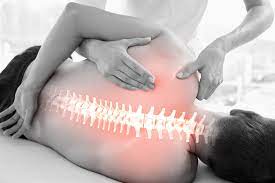
The term musculoskeletal refer to any disorder that affect muscles,joint,nerve,tendon,ligaments and spinal disc and an injury that makes painful or difficult movements.
which is also called orthopaedic physiotherapy and is used to treat conditions such as sprains, back pain, arthritis, strains, incontinence, bursitis, posture problems, sport and workplace injuries, plus reduced mobility. Rehabilitation following surgery is also included within this category.
These injuries can require a Musculoskeletal physiotherapy treatment session to optimize healing and speed the recovery process.
Neurological
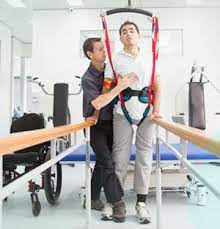
This is used to treat disorders of the nervous system, including strokes, spinal cord injuries, acquired brain injuries, multiple sclerosis and Parkinson's disease. It can also be used for rehabilitation following brain surgery.it includes strokes, cerebral palsy multiple scherosis, facial palsy, brain dysfunction and problem related to neuromuscular system. Treatment is typically based upon exercise to restore motor function and improve motor pattern In treatment session, we ask the patient, to perform several exercise to improve Muscle Strength, balance co-ordination, locomotion, self care activities, functional mobility and activities of daily living and maintain enhance performances of functional independence.

Cardiothoracic
Cardiorespiratory Physiotherapy plays a large role in
prevention of common complication and treat wide range of
chronic and respiratory conditions like chronic obstructive
pulmonary diseases (OPD), Asthma, acute chest infection,
post heart or lung surgery, pneumonia, COVID etc.)
Physiotherapist designed treatment plan includes deep breathing exercise, diaphragmatic breathing, with Humidification, postural drainage with chest PT to remove secretion.
The main aim of treatment is the removal of excessive
bronchial secretion, improve ventilation, Reduce anxiety and exertion due
to increase muscle work of breathing and
disturbed breathing pattern.
Types of treatment in physiotherapy
Each individual's treatment is tailored to suit their specific requirements, and a physiotherapist will choose from a wide range of therapies, including
Manual therapies
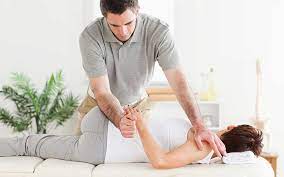
These can include joint manipulation and mobilisation (which provides for spinal mobilisation), manual resistance training, and stretching.
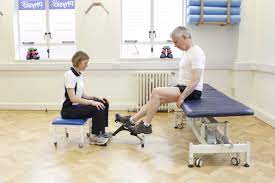
Exercise programmes
Such as muscle strengthening, posture re-training, cardiovascular stretching and training.
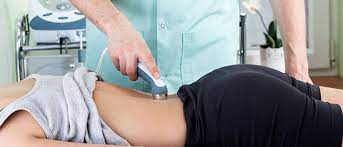
Electrotherapy techniques
Consists of Transcutaneous Electrical Nerve Stimulation (TENS), laser therapy, diathermy, and ultrasound.
In many cases, an injury can be caused by other underlying factors. It could be that constant back pain is caused by repetitive work-related activities, bad posture, being overweight, or even adopting the wrong technique when playing a sport.
Accordingly, the physiotherapist not only treats the back pain but addresses the other factors too. This holistic approach aims to reduce the risk of the injury happening again.
Physiotherapy Conditions

Orthopedic condition

Cervical Spondylosis

vertigo
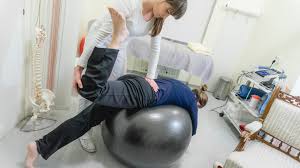
Lumbar Spondylosis Slipped Ddisc
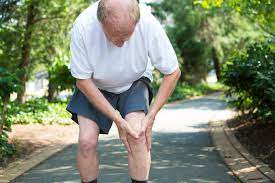
Knee Osteoarthritis

Shoulder Pain
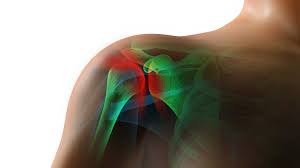
Frozen Shoulder

Rheumatoid Arthritis
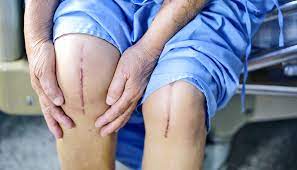
Post Replacement Surgeries
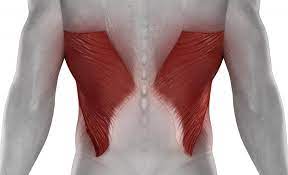
Muscular Pain Injuries
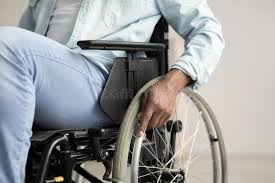
Paralysis
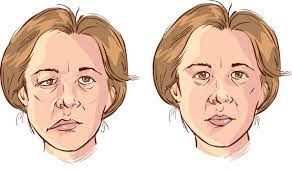
Facial Paralysis
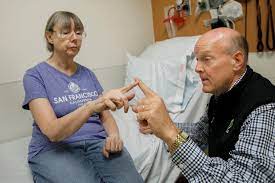
Parkinson's Disease